Keyholding and Alarm Response Services in London
When your alarm goes off at 2am, somebody needs to have the keys and know what to do with them. For most businesses, that call lands on a director or manager who has no way of knowing whether they're attending a sensor fault or an active break-in, alone, in the middle of the night.
MSGUK Security provides professional keyholding and alarm response services across London. We hold your keys securely, respond when your alarm activates and deal with whatever we find so your staff don't have to.
What Is a Keyholding Service?
A keyholding service means a contracted security company holds a copy of your keys, stored securely off-site, ready to be used whenever an alarm activates or emergency access is needed. Rather than relying on a list of internal key holders who may be unavailable, unwilling or unaware of what they're walking into, you have a trained professional team on call at any hour.
Keys are held under strict management procedures, accessed only by authorised personnel and handled in a way that keeps your premises secure even if the keys themselves were ever lost or stolen. No identifiable labels, no connection to your address.
The result is straightforward: whoever needs legitimate access to your building gets it quickly, safely and without the risk that currently falls on whoever's at the top of your call-out list.
Why Use a Professional Keyholding Company?
Most businesses don't think carefully about their keyholding arrangements until something goes wrong. When an alarm activates overnight, there is no way of knowing in advance whether it's a faulty sensor, environmental interference, vandalism or an intruder still on the premises. Sending a member of staff or a director into that situation without training, backup or a clear procedure is a genuine risk.
It's also worth understanding how the police response system works. Under current protocols, police generally only attend an alarm activation once it has been confirmed — meaning the alarm must trigger in multiple zones or an eyewitness must verify that a response is needed. Until that confirmation comes, the responsibility for attending falls on the designated key holder. If that's a member of your team, the call goes to them first.
A professional keyholding company removes that exposure entirely. Trained officers attend as the primary key holder, assess whatever they find and escalate appropriately. Your staff stay home.
20-Minute Target Response Time
The Association of Chief Police Officers (ACPO) recommends that a primary key holder should be able to respond to an alarm activation within 20 minutes. That's the benchmark the industry works to, and it's the target we set for every attendance across our London coverage area.
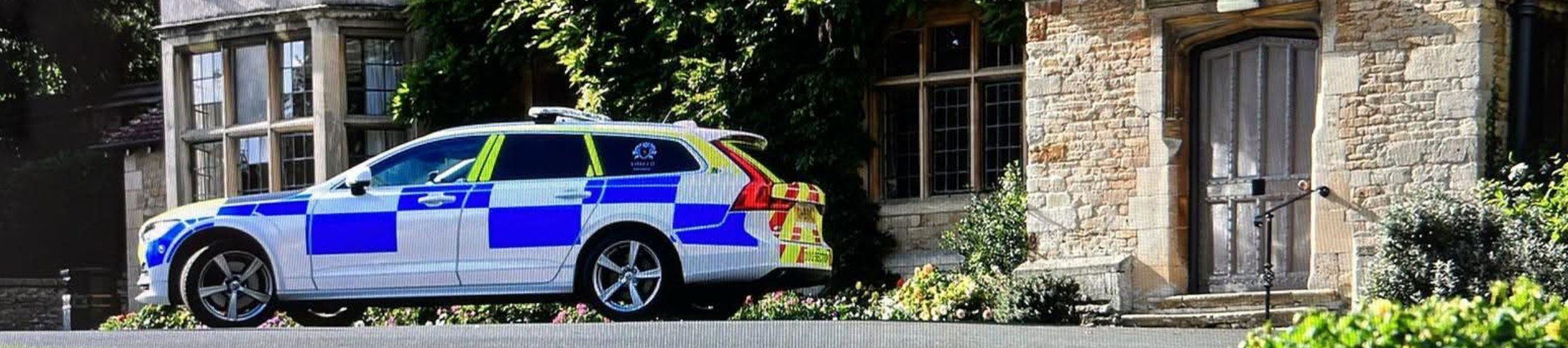
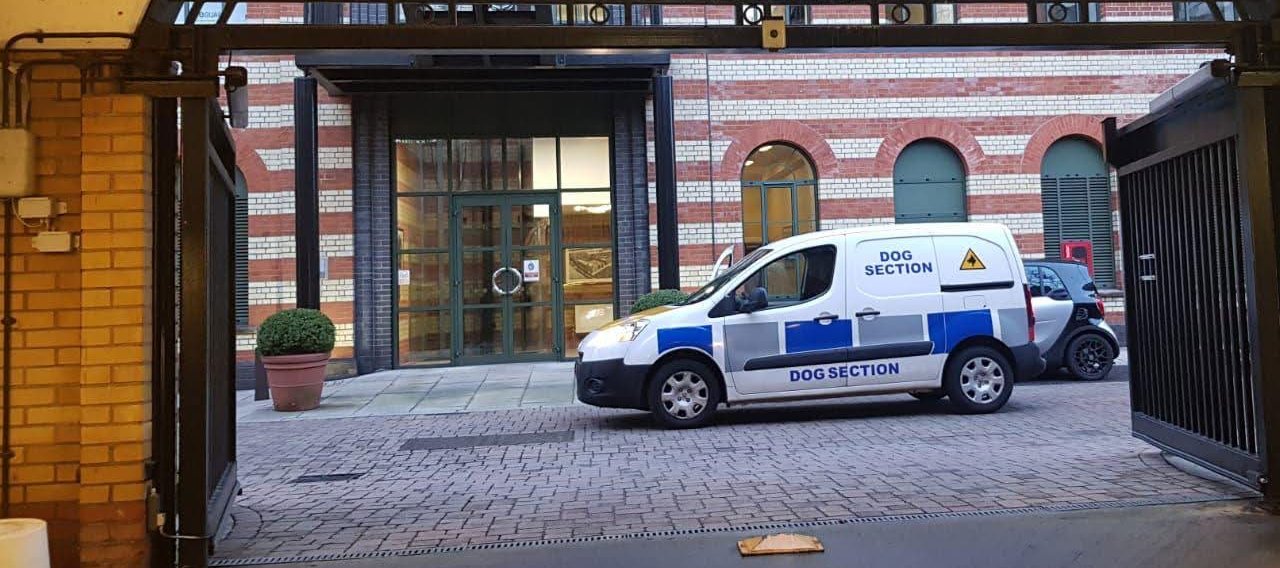
When a call comes in, the nearest available officer is dispatched in a fully marked, high-visibility response vehicle. They maintain contact with our control room throughout the attendance. On arrival, they assess the situation, investigate the cause of the activation and take whatever action is needed to secure the premises. A detailed report follows every attendance.
How the Service Works
From your side, the process is straightforward:
- Your alarm activates and the alarm receiving centre contacts our control room.
- A trained response officer is dispatched to your premises in a marked vehicle.
- The officer attends, investigates the cause and takes appropriate action.
- If required, they liaise with emergency services, site contacts or property managers.
- The premises are secured before the officer leaves the site.
- A full incident report is provided to you following the attendance.
For false activations — which are common — the officer still completes a full check of the premises before leaving. You receive a report either way.
What Officers Check on Arrival
Every activation is treated as a potential incident until the officer confirms otherwise. Checks on arrival cover:
- External perimeter inspection: checking all entry points, fencing, windows and external access routes for signs of attempted or successful entry.
- Internal sweep where access permits: a systematic walk-through of the building's accessible interior areas to confirm no one is on the premises.
- Activation cause investigation: identifying whether the trigger was an intruder, a fault, environmental factors or vandalism.
- Securing compromised access points: where doors, windows or locks have been damaged or left open, the officer makes the building as secure as possible before leaving.
- Police and emergency services liaison: where the situation warrants it, the officer contacts the appropriate services directly and remains on site until they arrive.
- Incident documentation: attendance times, findings, actions taken and any follow-up recommendations, all recorded and provided to you.
Trained Response Officers
All officers hold a valid SIA licence and have completed professional training through our in-house training centre before deployment. They operate in fully marked, high-visibility patrol vehicles and maintain contact with our control room throughout every attendance. Training covers Emergency First Aid at Work, ACT Awareness (Action Counters Terrorism), Fire Safety Awareness, Health and Safety, Conflict Management and Incident Reporting, giving officers the grounding to handle whatever they find on arrival calmly and professionally.
When Dog Handlers Are Needed
For larger sites, high-risk activations or premises with a history of intrusion, security dog handlers can attend alongside response officers. A dog team covers ground faster, provides a more substantial deterrent and is particularly effective at industrial sites, construction sites and vacant properties where the scale or risk level of the site makes a single-officer attendance insufficient.
Reporting After Every Attendance
Every attendance produces a documented record: activation time, officer arrival time, findings on site, actions taken, any security concerns identified and recommendations for follow-up where relevant. Over time, this gives clients a clear picture of their alarm activity and a defensible audit trail if an incident ever becomes a matter for insurers or police.
Need Keyholding and Alarm Response Services in London?
Remove the burden of out-of-hours call-outs and put trained professionals between your premises and whatever triggers your alarm.
Call us on 020 8050 6548 or request a quotation online.
Combining With Other Services
Keyholding and alarm response works well alongside other cover depending on your site:
- SIA security guards for sites that need a permanent on-site presence during opening hours alongside out-of-hours response cover.
- Mobile response teams for residential developments where resident-reported incidents need the same rapid attendance as alarm activations.
- Neighbourhood wardens for managed estates needing daytime community cover alongside overnight alarm response.
- Waking watch for buildings with fire safety remediation requirements needing continuous monitoring rather than response-only cover.
- Dog handlers for high-risk sites where an enhanced response capability is needed alongside standard alarm attendance.
One contract, one point of contact, whatever the site needs.
Common Questions
What is the difference between keyholding and alarm response?
Keyholding is the secure storage and management of your property keys by a contracted security company. Alarm response is what happens when those keys are needed: a trained officer attends, investigates and secures your premises. The two services work together and are typically provided as a combined package.
Why won't the police just attend when my alarm goes off?
Under current protocols, police generally require confirmation before attending an alarm activation. That means the alarm must trigger across multiple zones, or an eyewitness must confirm a response is needed, before police are dispatched. Until confirmation is received, responsibility for attending falls on the primary key holder. A professional keyholding service means that's a trained officer rather than a member of your staff.
What happens if it's a false alarm?
False activations are common and are treated with the same level of attention as confirmed incidents. The officer attends, carries out a full check of the premises, confirms no breach has occurred and secures the building before leaving. You receive a report either way.
How are my keys stored?
Keys are held securely off-site under strict management procedures. They are accessed only by authorised personnel for legitimate operational purposes and are never labelled or stored in a way that connects them to your premises address.
Can this be combined with static guarding?
Yes. Many clients use SIA security guards during operating hours and alarm response for out-of-hours cover, giving them professional security across the full 24-hour period without the cost of permanent overnight staffing.
Get a Quote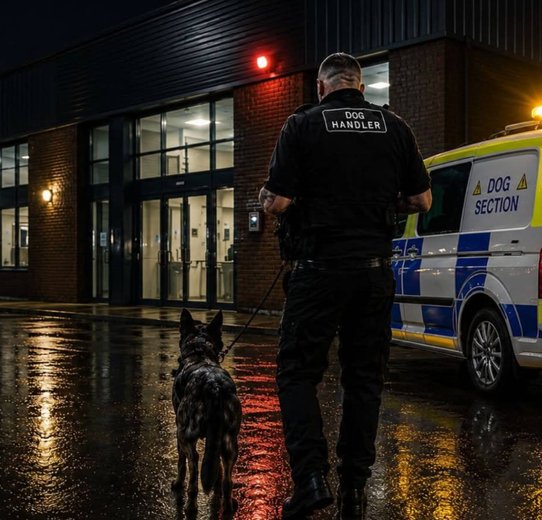
Talk to Us About Your Site
Tell us what you're dealing with, the property, the hours, the history and we'll come back with a setup that fits it.
Get A Free Quote